Loading...
First Round of Abstract Submission Ends: Nov 30, 2026
Extended Early Bird Ends: Apr 28, 2026

Keynote Speakers

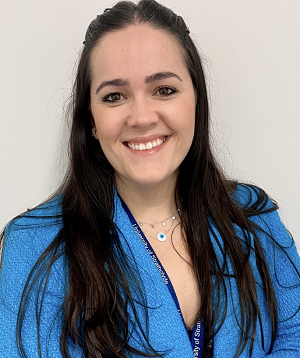
Dr. Karla Neves
University of Strathclyde, UK
Title: Decoding Vascular Injury in Cancer Therapy: A Molecular and Cellular Perspective
Dr Karla Neves is a basic-scientist and Lecturer at the Strathclyde Institute of Pharmacy and Biomedical Sciences, University of Strathclyde, in Glasgow UK, with a multidisciplinary background spanning nursing, pharmacology, and biomedical science. After completing her BSc in Nursing in Brazil, she pursued an MSc and PhD in Pharmacology at the University of Sao Paulo, followed by postdoctoral research at the University of Glasgow, UK, where she developed expertise in vascular biology and cardiovascular pharmacology. Her research focuses on the mechanisms of vascular dysfunction, with particular emphasis on cardiovascular toxicity associated with cancer therapies, endothelial signalling, and translational vascular medicine. She has contributed to over 50 peer-reviewed publications and collaborates internationally across the UK, Brazil, and China. Dr Neves is also actively involved in teaching, research supervision, and public engagement, and plays a leading role in outreach and widening participation initiatives in STEM.
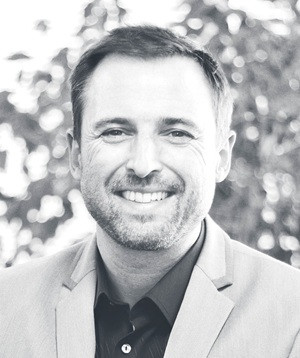
Dr. Samuel CONSTANT
CEO, Epithelix Sàrl, Switzerland
Title: Immunocompetent in vitro airway models as decision-making tools for pharmacology and toxicology research
Dr. Samuel Constant is co-founder and Chief Executive Officer of Epithelix. He is responsible for the global management and strategic direction of the company’s Swiss and French sites. Samuel has co-authored more than 150 publications and has received 18 awards for scientific achievements, technological innovation, and business development.
Prof. Miroslav Radenković
University of Belgrade, Serbia
Title: Biopharmaceuticals – Current Standing
Miroslav Radenković, MD, MS, PhD, a full-time professor at the Department of Pharmacology, Clinical Pharmacology and Toxicology, graduated from the Faculty of Medicine – University of Belgrade (FMUB) in 1995, and from 1996 he is working at the FMUB. He received an MS from pharmacology, board certified in Clinical Pharmacology, PhD from Medical Sciences, and a sub-specialization degree in Clinical Pharmacology - Pharmacotherapy in 1999, 2000, 2004, and 2016 respectively, from the FMUB, as well as Bioethics MS in 2021 from the Clarkson University, NYC, USA. From 2002 Dr. Radenković officially participated in several scientific projects supported by the Ministry of Science – Serbia; the Austrian Science Fund; COST Action; as well as the NIH Fogarty International Center Project, USA. Dr. Radenković is a member of the Ethics Board of Serbia and a Chair Department.
Dr. Eugene Zadorin
Director of NBScience, UK
Title: Cellular Regeneration Revolution: Advancing Stem Cell Therapies from Research to Clinical Applications

Dr. Eugene Zadorin has completed his PhD from Cardiology University. He is the director of NBScience, a premier biotech and contract research organization. He has published more than 40 papers in reputed journals and has been serving as an editorial board member of repute.
 
MD diploma in 2000. He developed method of therapy of primary pulmonary hypertension. He worked as a cardiologist at the Hospital until 2005. PhD in cardiology in 2005. He was a Head of consulting group in clinical research department of Ministry of Health from 2006 till 2008. In 2008, he completed the professional retraining in the field of Good Clinical Practice  .  

NBScience limited helps companies reduce the time it takes to put their products on the market by educating and assisting Quality Assurance personnel in implementing FDA/EMEA Compliant Quality Systems.

We specialize in assisting pharmaceutical, biotechnology, biologics, medical device, and their affiliated industries with auditing relative to Good Clinical Practices, GCP, Good Laboratory Practices,GLP, and Good Manufacturing Practices, GMP.

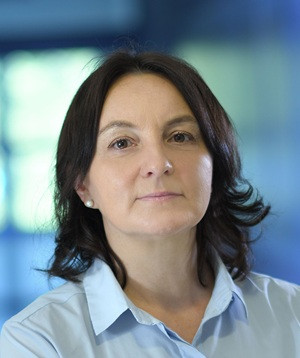
Dr. Barbara C. Smaga
Polish Academy of Sciences, POLAND
Title: The effects of serotonin receptors and metabotropic glutamate receptors cross-talk on psilocybin-induced antidepressant-like effects
I obtained my PhD in Medical Sciences, specializing in the pharmacology of metabotropic glutamate receptors. Following my doctoral training, I joined Prof. John F. Cryan's group at the Department of Anatomy & Neuroscience, University College Cork (Ireland), where I investigated GPCR signaling and receptor–receptor interactions.

I subsequently worked at Jagiellonian University, leading a National Science Centre (NCN)-funded project on GPCR heterooligomerization and its role in the regulation of social behaviour.

I am currently a researcher at the Maj Institute of Pharmacology, Polish Academy of Sciences, where I lead an NCN-funded project investigating the role of 5-HT7 receptor modulation in the antidepressant effects of hallucinogenic compounds. I also participate in a project exploring the role of 5-HT2A receptor modulation and dimerization in the pharmacological actions of hallucinogens.

My research focuses on molecular pharmacology, GPCR signaling, and receptor interactions in neuropsychiatric disorders. I have published in leading international journals, including The FASEB Journal, Neuropharmacology, Brain, Behavior, and Immunity, Journal of Biological Chemistry, and ACS Chemical Neuroscience, and have extensive experience in research supervision and international collaboration.
Prof. Bernadeta Szewczyk
Polish Academy of Sciences, Poland
Title: Zinc and Magnesium as Modulators of Antidepressant Mechanisms: Neurobiological Basis and Therapeutic Potential of Antidepressant–Metal Complexes
Bernadeta Szewczyk, PhD, is the Head of the Department of Neurobiology at the Maj Institute of Pharmacology, Polish Academy of Sciences, in Kraków, Poland. Her research focuses on neuropsychopharmacology and the biological mechanisms underlying mood disorders and stress-related pathology, with particular emphasis on zinc homeostasis in the central nervous system, glutamatergic/NMDA signaling, and molecular pathways linking stress, neuroinflammation, and neurotrophic regulation to depressive-like phenotypes in preclinical models.

Her work has contributed to the understanding of molecular mechanisms involved in depression and antidepressant action, including the role of zinc signaling, glutamatergic pathways, and stress-related molecular adaptations, with the aim of identifying novel therapeutic strategies for mood disorders.

According to her Web of Science record, she has authored 159 publications, with 4,627 citations excluding self-citations and an h-index of 41.
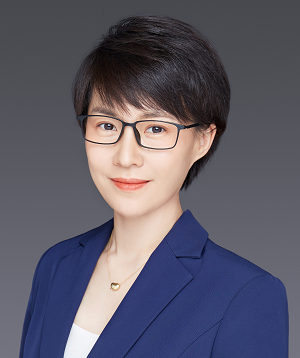
Prof. Ke Ding
Shanghai Institute of Organic Chemistry, CAS, China
Title: Rational Design Kinase Drugs – From Inhibitors to Molecular Glue Degraders
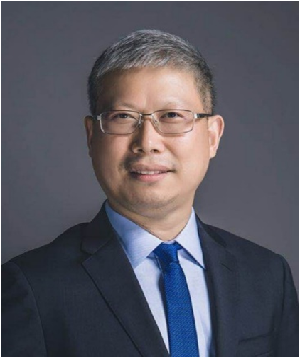
Prof. Ke Ding is a Deputy Director of the State Key Laboratory of Chemical Biology, Shanghai Institute of Organic Chemistry, Chinese Academy of Sciences. He held the position of Dean of the School of Pharmacy, Jinan University, from 2016 to 2022. He also serves as an Associate Editor of Journal of Medicinal Chemistry (ACS) etc. Dr. Ding’s research focuses on innovative drug discovery and chemical biology. Two innovative drugs discovered in Ding’s lab, i.e. Olverembatinib and Limertinib, have been approved by National Medical Product Administration of China (Chinese FDA) for the treatment of clinically resistant chronic myeloid leukemia (CML) and Non-Small Cell Lung Cancer patients, respectively. Five other candidate molecules are undergoing different stages of clinical investigation in China and the United States. Dr. Ding has published more than 290 peer-reviewed papers and holds over 90 authorized patents. He has received numerous prestigious national and international academic honors and awards, including the National Science Fund for Distinguished Young Scholars, the 22nd Wu Jieping-Paul Janssen Medical and Pharmaceutical Technology Award, the 2024 Prostate Cancer Foundation (PCF) TACTICAL Award etc.
Prof. Qiang Xu
Nanjing University, China
Title: Dynamic Reprogramming of IL-17 Signaling and Its Targeting
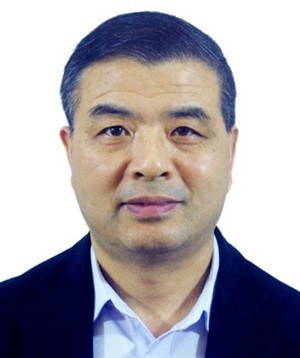
Dr. Xu is a full professor at Nanjing University, China. He previously served as a Lecturer (1989-1990), associate professor (1991-1992), and Professor (1993-2000) at China Pharmaceutical University, and also worked as a Lecturer at Nagasaki University (1990-1991), a Visiting Professor at Toyama Medical and Pharmaceutical University (1996-1998) and at Kyushu University (1999), Japan. His research interests encompass the regulation of immune responses, inflammation, and anti-inflammatory drugs, as well as chemical biology approaches based on small-molecule compounds. He has authored over 400 peer-reviewed papers in leading journals such as Immunity, Nature Aging, Nature Communications, Autophagy, Leukemia, and Journal of Allergy and Clinical Immunology.