Loading...
First Round of Abstract Submission Ends: Nov 30, 2026
Extended Early Bird Ends: Apr 28, 2026

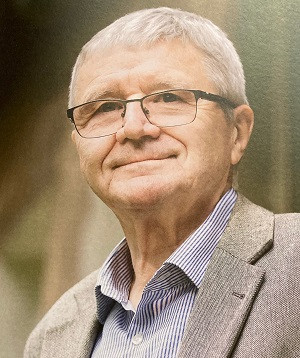
Plenary Speakers

Prof. Hyung Sik Kim
Sungkyunkwan University, Korea
Title: Metabolic Reprogramming and Mitochondrial Dysfunction as Therapeutic Targets in Toxicology and Disease
Will update soon.
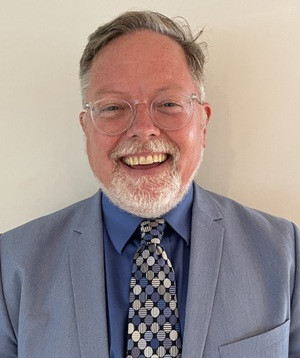
Prof. Douglas B. Kell
University of Liverpool, UK
Title: How Drugs Really Get Into Cells: Why Passive Bilayer Diffusion is a Myth
Top Scholar, Bradfield College, Berks (1996-1970). B.A. (Hons) Biochemistry at St John's College, Oxford (1975) (Class 21 with Distinction in Chemical Pharmacology). Senior Scholar of St John's College, Oxford, M.A. (Oxon), D.Phil. (Oxon) 1978. SRC Postdoctoral Research Fellow (1978-1980), Postdoctoral Research Assistant (1980-81) and SERC Advanced Fellow (1981- 1983), and 'New Blood' lecturer in Microbial Physiology (1983- 1988), all at the Department of Botany & Microbiology, University College of Wales, Aberystwyth. Reader in Microbiology, Dept of Biological Sciences, UCW, Aberystwyth, 1988-1992, and Founding Director, Aber Instruments Ltd, Science Park, Aberystwyth. Personal Chair, The University of Wales, 1992. Director of Research, Institute of Biological Sciences, UWA 1997-2002. Founding Director, Aber Genomic Computing, 2001-. EPSRC/RSC Research Professor of Bioanalytical Science, UMIST 2002- , The University of Manchester 2004-2019. University of Liverpool 2019-present. 2005-8 Director, BBSRC Manchester Centre for Integrative Systems Biology. 2008-2013 (0.8 FTE secondment), Chief Executive, Biotechnology & Biological Sciences Research Council. 2020-present, Cofounder and Non-Exec Director, PhenUTest Ltd.

1986 Recipient of the Fleming Award of the Society for General Microbiology.
1998 Aber Instruments received a Queen’s Award for Export Achievement.
2004 Royal Society of Chemistry Interdisciplinary Science Award
2005 FEBS-IUBMB Theodor Bücher prize. 2005 Royal Society/Wolfson Merit Award.
2005 Royal Society of Chemistry Award in Chemical Biology
2006 Royal Society of Chemistry/ Societry of Analytical Chemistry Gold Medal
2000-2006 Member, BBSRC Council, BBSRC Strategy Board, NERC Environmental Genomics Committee
2008-2013 Chief Executive BBSRC (0.8 FTE)
2012 Honorary DSc, Cranfield University
2012 Fellow of the AAAS
2013 Fellow, Aberystwyth University
2014 CBE, New Years Honours
2015 DSc, University of Aberdeen
2015 DSc, University of East Anglia
2019 Science Advisory Board, Daye.

He has published over 500 scientific papers, 109 of which have been cited over 100 times (as judged by WoK). His H-index is 105 (WoK) or 134 (Google Scholar). Total citations >40,000 (WoK) or >60,000 (GS). http://dbkgroup.org/publications/. Top 25 in UK for Biochemistry https://research.com/scientists-rankings/biology-and-biochemistry/gb. Twitter/X @dbkell. Bluesky @dbkell.bsky.social. For a free book on why people believe crazy things, see http://osf.io/pnxcs/.

His Wikipedia page is at https://en.wikipedia.org/wiki/Douglas_Kell.
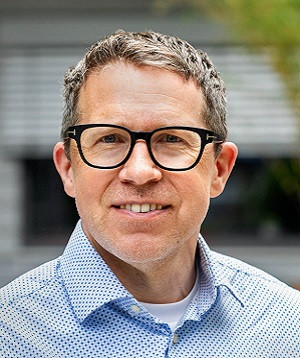
Prof. Paola Patrignani
“G. d’Annunzio” University, Italy
Title: Current concepts and innovative targets in antiplatelet therapy for disease prevention, treatment, and diagnostics, advancing precision medicine.
Paola Patrignani graduated from the Faculty of Biological Sciences at "La Sapienza" University of Rome, Italy. Subsequently, she pursued a doctoral program in Pharmacology at the Catholic University of Rome, Italy. She served for two years as a Postdoctoral Research Fellow at Le Centre Hospitalier of Laval University in Quebec, Canada, and at the Department of Pharmacology at Merck Frosst in Kirkland, Quebec, Canada. She continued her academic career at the School of Medicine of “G. d' Annunzio” University in Chieti, Italy, where she is currently a Professor of Pharmacology and the Head of the Laboratory of Systems Pharmacology and Translational Therapeutics at the Center for Advanced Studies and Technology (CAST). In 2009, she was appointed as a guest professor of Pharmacology at Goethe-Universität Frankfurt am Main, Germany. She is a member of several esteemed professional societies, including the Italian Society of Pharmacology (SIF), the Italian Society for the Study of Hemostasis and Thrombosis (SISET), the European Organ-on-Chip Society (EUROoCS), and the International Society on Thrombosis and Haemostasis (ISTH). Dr. Patrignani was awarded the distinguished 2018 International Aspirin Foundation Senior Science Award. In 2013, she received a special commendation from the Committee for the Promotion of Female Entrepreneurship of the Abruzzo Region, Italy. She is recognized as one of the Top Italian Women Scientists (TWIS), a designation conferred upon scientists with high-impact publications. Furthermore, she ranks among the top 2% of scientists worldwide. Her scientific contributions are documented by more than 250 publications in international journals indexed in the Journal Citation Reports (https://orcid.org/0000-0003-1419-2691), with 14,207 citations and an H-index of 61 as of January 30, 2026, and over 20 chapters in international textbooks. Dr. Patrignani holds six patents (three Italian, two European, and one American). She was funded by several public, national, and international entities through grants.

Paola Patrignani’s research primarily focuses on eicosanoids in cardiovascular disease and cancer, emphasizing interdisciplinary translational science related to therapeutics and biomarker discovery for personalized medicine. Her pioneering research encompasses a broad array of areas, including 3D cell cultures, genetically modified mice, and clinical pharmacology. Her dedicated efforts have significantly advanced our understanding and brought us closer to developing novel treatments for life-threatening diseases such as myocardial infarction and cancer.

Key Findings

Paola Patrignani has dedicated herself to understanding how aspirin prevents cardiovascular disease and combats cancer. Her contributions to this topic are evident in more than 80 publications in top peer-reviewed medical and pharmacological journals, including NEJM, JCI, JACC, CPT, Br J Pharmacol, JPET, Mol Pharmacol, Pharmacol Res, and Pharmacol Reviews.

In 2025, her study in Nature(https://www.nature.com/articles/s41586-025-08626-7) revealed that aspirin prevents cancer metastasis by inhibiting platelet TXA2 biosynthesis, thus removing the brake to immune response.

She was among the first to show that platelets induce mesenchymal changes in cancer cells, enhancing their migratory capacity and the likelihood of metastasis, which can be prevented by low-dose aspirin (J Clin Invest. 2001;108:7-13; Mol Pharmacol, 2013; 84:25-40; Oncotarget, 2016; 7:32462-77).

She discovered that extracellular vesicles from platelets can promote metastasis by transferring 12-lipoxygenase to cancer cells, facilitating epithelial-to-mesenchymal transition and identifying a new target for anticancer drug development (J Lipid Res. 2021; 62: 100109; Biochem Pharmacol, 2022; 205: 115252).

-By creating ApcMin/+ mice with specific COX-1 deletion in megakaryocytes and platelets, she demonstrated reduced intestinal adenoma formation, showing that inhibiting platelet TXA2 affects inflammatory signaling pathways involved in intestinal cell transformation (Pharmacol Res, 2022; 185,106506).

In 2026, she coauthored a review in the prestigious Journal of Pharmacological Reviews that examined how platelet activation, inflammation, and cancer development are mechanistically linked. The review highlighted recent clinical trial data and biomarker research. The authors suggest that ongoing platelet activation promotes two tumor-related effects via TXA2: first, it increases local inflammation at gastrointestinal mucosal lesions through cyclooxygenase-2 induction and prostaglandin(PG)E2 production, thereby supporting early cancer formation; second, it impairs the T-cell immune response against tumors by activating TXA2 receptors on lymphocytes, thereby aiding tumor growth and spread. These data suggest that low-dose aspirin may be involved in cardiovascular and colorectal cancer prevention, as well as in preventing metastasis. Studies are ongoing to identify which patients are most likely to benefit from aspirin while minimizing the risk of bleeding.
Prof. Sibel A. OZKAN
Ankara University, Türkiye
Title: Label-Free Detection of Pharmacological and Toxicological Targets: The Role of Molecularly Imprinted Polymers in Real-Time Analysis
Sibel A. OZKAN has been working as a Full Professor of Analytical Chemistry at Ankara University, Faculty of Pharmacy since 1986.

She is an active member of the European Chemical Society, a DAC member on behalf of the Turkish Chemical Society. She is a member of the European Pharmacopoeia-EDQM- Chromatography Section. She is also a member of the International Society of Electrochemistry (ISE) and the American Chemical Society (ACS). She has 2 completed and 1 running COST Actions. She has 2 HORIZON and 1 bilateral agreement Project and has published over 500 original and review papers; her h-index is 54, and she is the Editor of 12 scientific books and about 70 book chapters. She has several international and national awards.

She is the Editor of the Journal of Pharmaceutical and Biomedical Analysis (SCI-Elsevier) and Section Editor (Analytical & Environmental) of Essential Chem (Taylor & Francis) and Regional Editor (Europe part) of Current Pharmaceutical Analysis (SCI-Bentham). Besides, she is the Editorial Board member of Talanta, Chromatographia, Biosensors & Bioelectronics X, Critical Reviews in Analytical Chemistry, Electrochimica Acta, Analytical & Bioanalytical Chemistry, Trends in Analytical Chemistry, Advanced Sample Prep., Green Analytical Chemistry, and so on.
Prof. Ülo Langel
Stockholm University, Sweden
Title: Cell-penetrating peptides for new pharmacology
Ülo Langel is Professor Emeritus at the Department of Biochemistry and Biophysics, Stockholm University, and at the Institute of Technology, Tartu University. Prof. Langel graduated from Tartu University, Tartu, Estonia, as bioorganic chemist in 1974; he has received his PhD degree twice: in 1980 from Tartu University, Tartu, Estonia (bioorganic chemistry), and in 1993 from Tartu University/Stockholm University (biochemistry/neurochemistry). His professional experience includes a career at Tartu University, Tartu, Estonia (from junior research fellow to Associate Professor, Visiting Professor, and Professor 1974-now); The Scripps Research Institute, La Jolla, CA, USA (Associate Professor, and Adjunct Professor 2000-now); and Stockholm University (from research fellow to Associate Professor, Professor and Chairman, 1987-now). He is a Honorary Professor at Ljubljana University, Slovenia. He is/was a Chairman of the Board of small companies Pepfex (Stockholm) and Cepep (Estonia). SelfDiagnostics, Glasspearl, and member of the Board of Orexo (Sweden). In 2013 he was elected a member of Academia Europaea and in 2015, a foreign member of the Estonian Academy of Sciences.

Prof. Langel has been selected as a Fellow Member of International Neuropeptide Society (1995), and is a member of International Society for Neurochemistry, European Peptide Society, Swedish Biochemical Society and Estonian Biochemical Society. He has been awarded a White Star Order, 4th class, by Estonian Republic. He has been invited lecturer at numerous international conferences, and is a coauthor of more than 480 scientific articles and 20 approved or pending patents. His research interest is in neurochemistry where his research is aimed to study peptides, particularly neuropeptide receptors, and in drug delivery by cell-penetrating peptides.
Prof. Brian S. J. Blagg
The University of Notre Dame, USA
Title: To be confirmed.
Brian Blagg is the Charles Huisking Professor of Chemistry and Biochemistry and Director of the Warren Family Research Center for Drug Discovery and Development at the University of Notre Dame. After earning a B.A. in Chemistry and Environmental Studies at Sonoma State University, and his Ph.D. in Organic Chemistry from the University of Utah (Dale Poulter), he received an NIH Postdoctoral Fellowship and performed research at The Scripps Research Institute with Dale Boger. Blagg started his independent career in medicinal chemistry at The University of Kansas is 2002. In the Fall of 2017, he moved to The University of Notre Dame wherein his lab continues to focus on chaperone proteins and protein folding in relation to cancer and neurodegeneration. Cancers are inherently more dependent on chaperone proteins because of their constant division and cellular stress. Consequently, Blagg’s team works to selectively inhibit chaperone proteins to halt cancer growth. In contrast, his lab also studies the potential for utilizing chaperones to re-fold malfunctioning and/or aggregated proteins for the treatment of Alzheimer’s disease and glaucoma. Brian Blagg is married to Leah Blagg and has three children, ranging in ages from 14 and 27. When not thinking about science, he can be found with his family and friends.

Brian Blagg has produced more than 333 publications/ patents and was formerly an Associate/Senior Editor of The Journal of Medicinal Chemistry. He is also an inventor of KU-596 (cemdomespid) a drug currently undergoing phase II clinical trials for the treatment of neuropathy via Biogen/Reata Therapeutics. Blagg is also a founder of Grannus Therapeutics, which plans to introduce a new oncology drug into trails in 2026.
Prof. Michael Oellerich
George-August University, Göttingen, Germany
Title: dd-cfDNA monitoring for personalized immunosuppression in transplantation
Michael Oellerich, MD, HonMD, FADLM, FAMM, FFPath (RCPI), FRCPath, is a chemical pathologist and Distinguished Research Professor at the Department of Clinical Pharmacology, Medical Faculty (UMG), George-August University, Göttingen, and a consultant to iMDx, Nashville, Tennessee. He previously served as Lower Saxony Professor of Clinical Chemistry (2012–2017), Chairman of the Department of Clinical Chemistry/Central Laboratory (1991–2012), and Dean of the Faculty of Medicine.

An internationally recognized leader in therapeutic drug monitoring and precision diagnostics, Dr. Oellerich has advanced clinical implementation of cell-free DNA analytics, including cfDNA in oncology and donor-derived cfDNA in transplantation. His record includes more than 500 peer-reviewed publications, an H-index of 81, and over 21,986 citations.

Dr. Oellerich has held presidencies of multiple national and global organizations (IATDMCT, DGLM, DGKL, WASPaLM) and was Editor-in-Chief of Therapeutic Drug Monitoring (2003–2018), where he continues to serve as Associate Editor. His contributions have been recognized with numerous honors, including the Ludolf-Krehl Award, IATDMCT Charles Pippenger Award, WASPaLM Medal of Honor, WASPaLM Gold- Headed Cane, F. McCreary Prize (UBC Health, 2022), and the Claus Roxin Award (2023).
Prof. Flemming R. Cassee
National Institute for Public Health and the Environment – RIVM & Institute for Risk Assessment Sciences - Utrecht University, Netherlands
Title: Where do inhaled particles go upon inhalation and what is their health impact?
Flemming R. Cassee is chief science officers (CSO), senior scientific advisor at the RIVM and professor of Inhalation Toxicology at Utrecht University, Institute for Risk Assessment Science. He researches the health effects of airborne particulates, including fine particles, nanomaterials and microplastics, gaseous components like ozone and nitrogen dioxide, micro-organisms and complex mixtures such as wood smoke, airplane cabin air and the indoor environment. He publishes regularly in international scientific journals, presents research outcomes at national and international conferences and is a member of several national and international advisory committees of WHO, OECD and European Commision. In addition, he is involved in several research projects in the fields of nanomaterials, air pollution (particulate matter, microplastics) and new test methods.